
Optimal Timing for Tree Removals
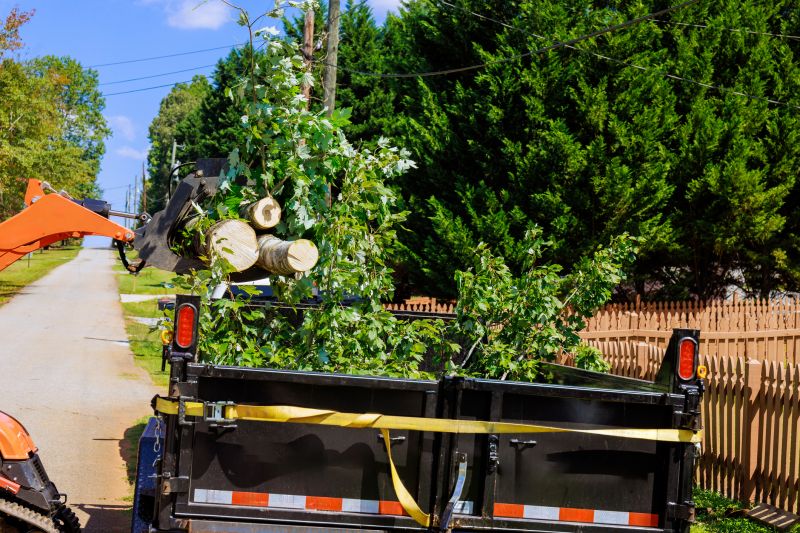
Spring is suitable for tree removal when trees are beginning to leaf out, allowing easier access and less stress on the tree.
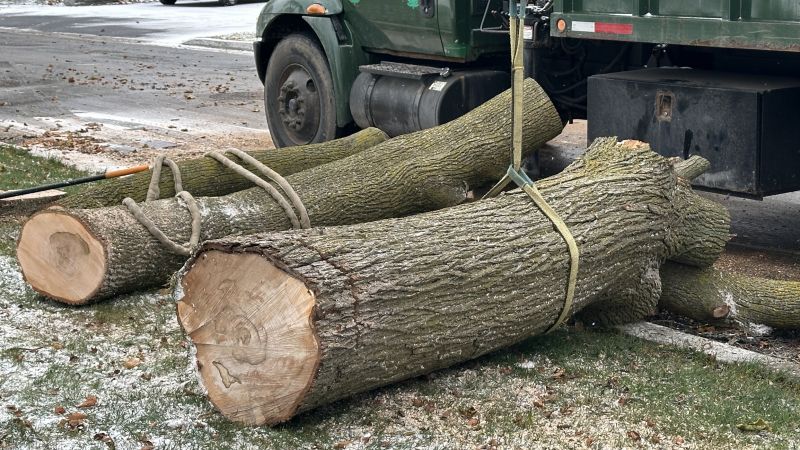
Summer offers longer daylight hours but can be challenging due to heat and increased foliage density.
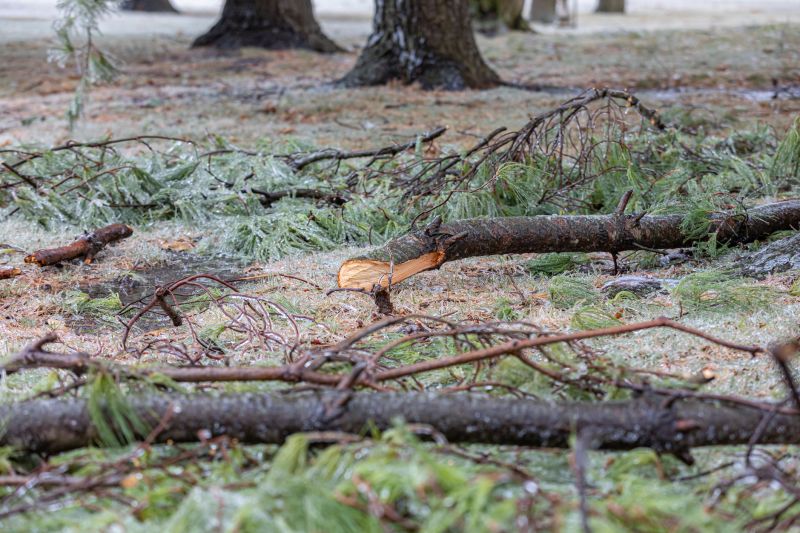
Winter is often preferred because trees are dormant, reducing stress and minimizing impact on surrounding vegetation.
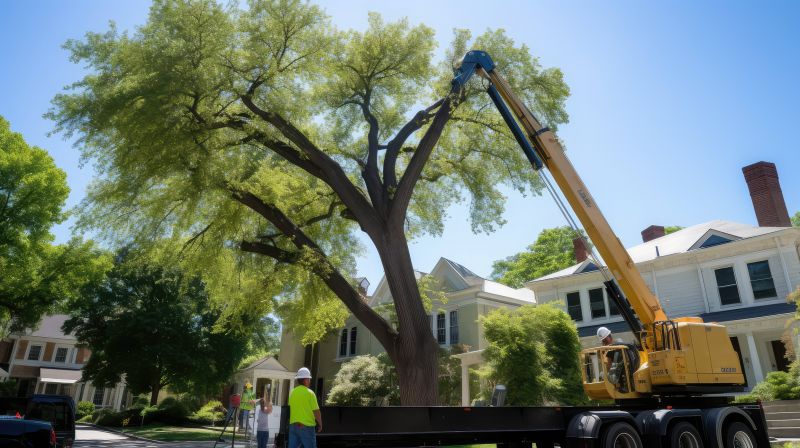
Ways to make Tree Removals work in tight or awkward layouts.
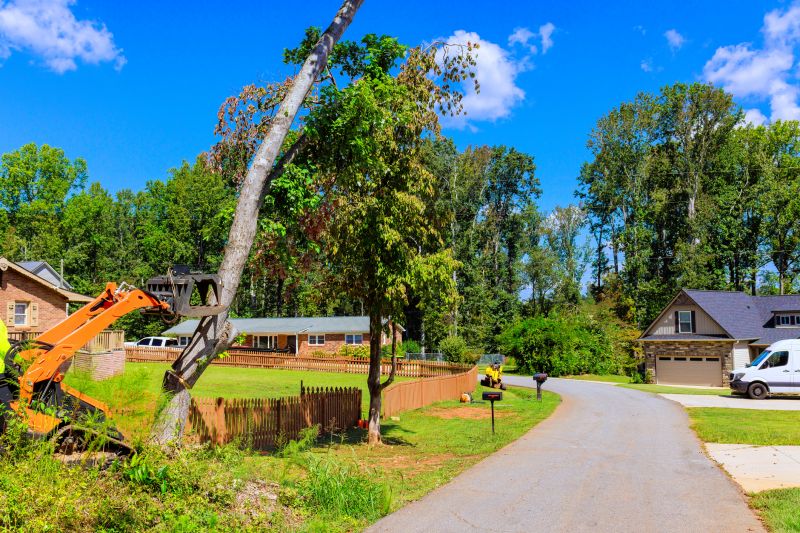
Popular materials for Tree Removals and why they hold up over time.
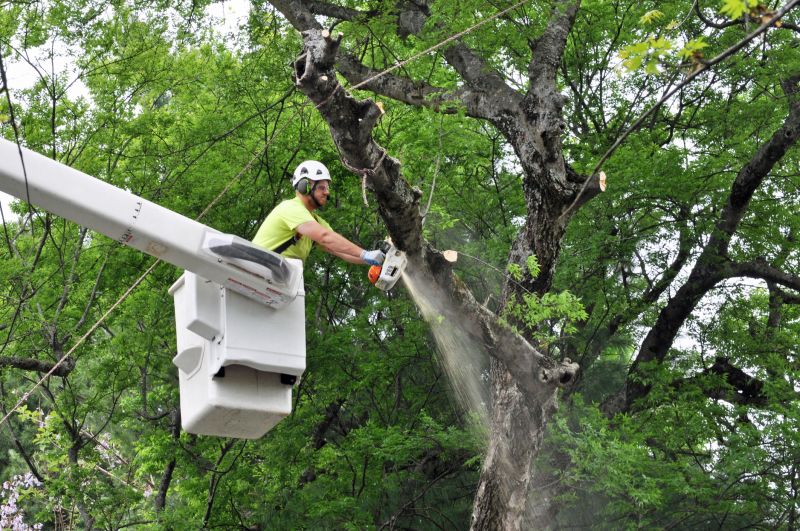
Simple add-ons that improve Tree Removals without blowing the budget.
Tree removals are a critical aspect of landscape management, often necessary for safety, health, or aesthetic reasons. The timing of such operations can influence the health of remaining trees, the safety of property, and the efficiency of the removal process. Proper timing ensures minimal disruption and optimal results.
Statistics indicate that winter removals are preferred in approximately 65% of cases due to the dormancy period, which reduces stress on the tree and minimizes damage to the surrounding landscape. Summer removals, while feasible, tend to be more labor-intensive because of foliage density and heat considerations. Spring removals are suitable when the tree is just emerging from dormancy, but care must be taken to avoid damaging new growth.
Removing trees during dormancy minimizes stress and promotes quicker recovery for nearby vegetation.
Winter removals reduce the risk of falling branches caused by wind or storms during active growth seasons.
Weather conditions such as rain, snow, and wind influence the safety and effectiveness of tree removal operations.
Certain equipment is more effective during specific seasons, impacting the choice of timing for removals.
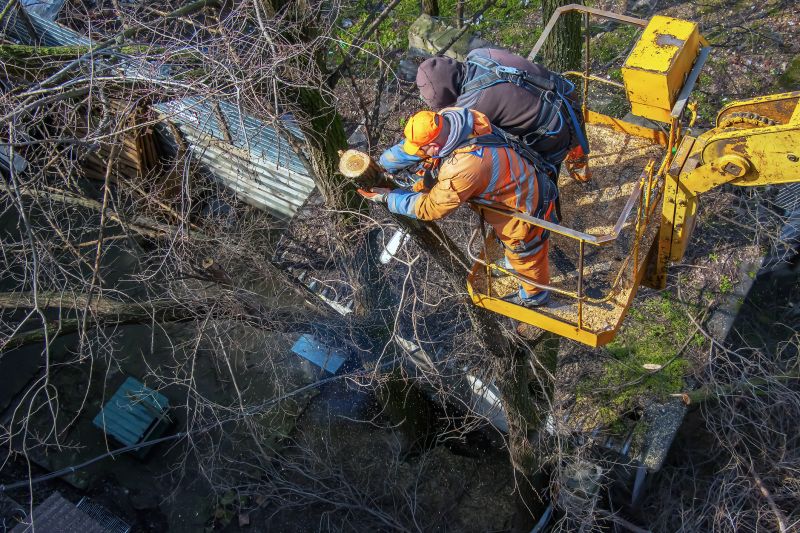
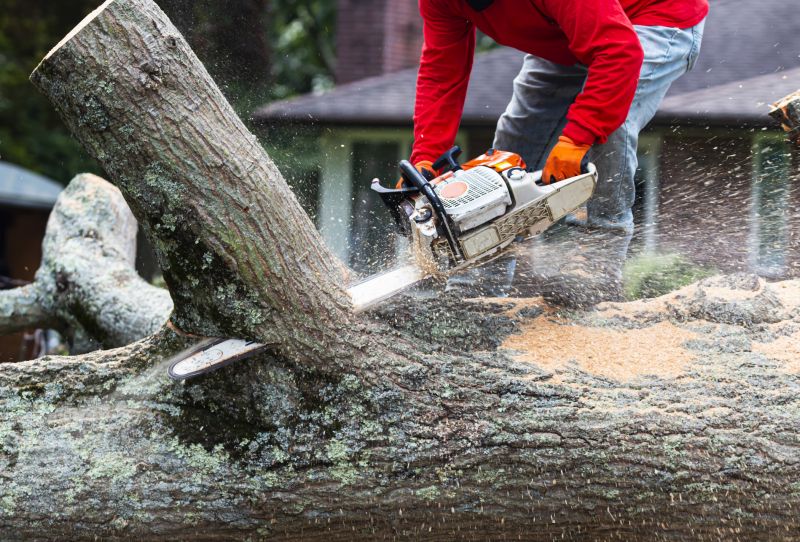
Specialized tools are used for efficient and safe removal across different seasons.
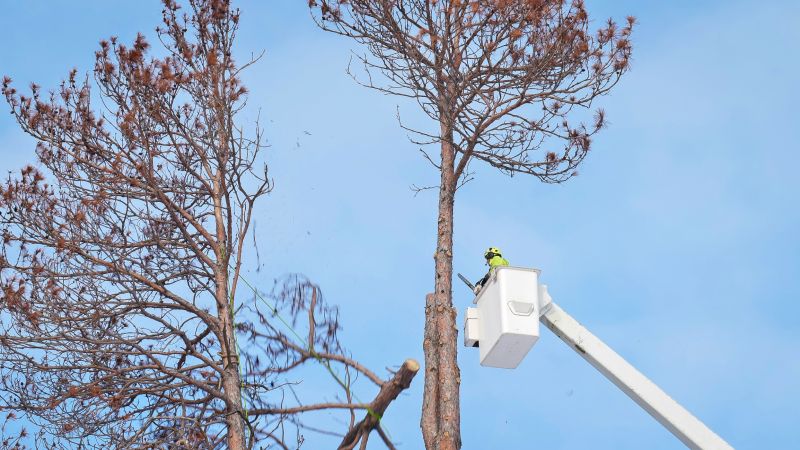
Dormant trees are easier to remove with less risk of disease spread.
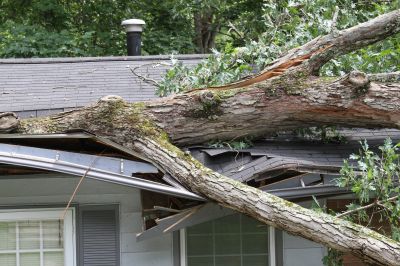
Storms often necessitate urgent removals, typically during winter or off-peak times.
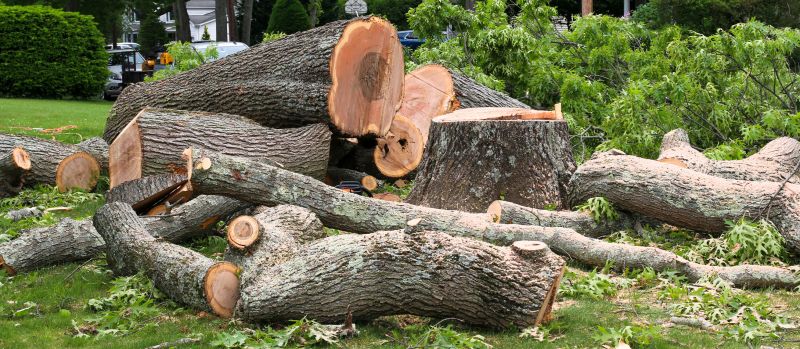
Proper planning post-removal ensures landscape restoration and replanting success.
High-end options that actually feel worth it for Tree Removals.
Finishes and colors that play nicely with Tree Removals.
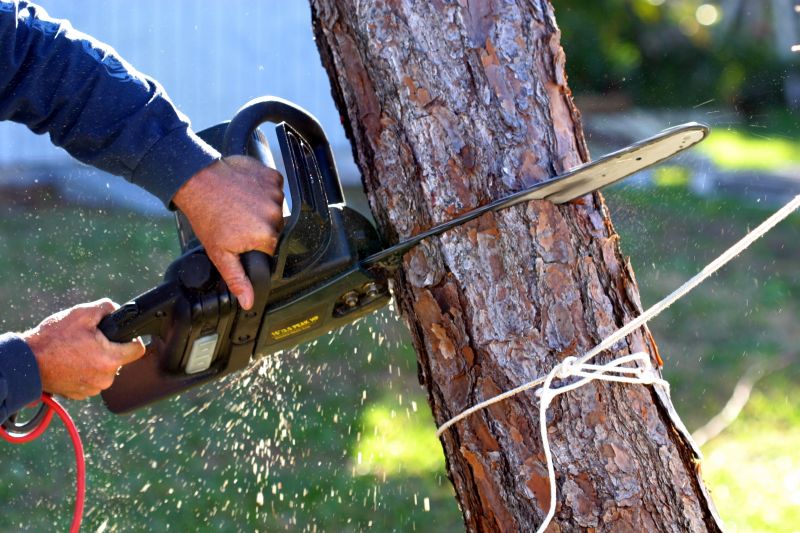
Little measurements that prevent headaches on Tree Removals day.
A 60-second routine that keeps Tree Removals looking new.
| Season | Advantages |
|---|---|
| Winter | Trees are dormant; less stress; safer removal |
| Spring | Easier access; minimal leaf interference |
| Summer | Longer daylight; flexible scheduling |
| Fall | Moderate weather; less leaf clutter |
| Storm Season | Urgent removals; storm damage mitigation |
Understanding the best season for tree removal depends on multiple factors including tree health, weather conditions, and landscape goals. Winter remains the most popular choice due to the dormancy period, which minimizes impact on surrounding vegetation and reduces risks associated with active growth. Proper timing aligns with safety protocols and operational efficiency.
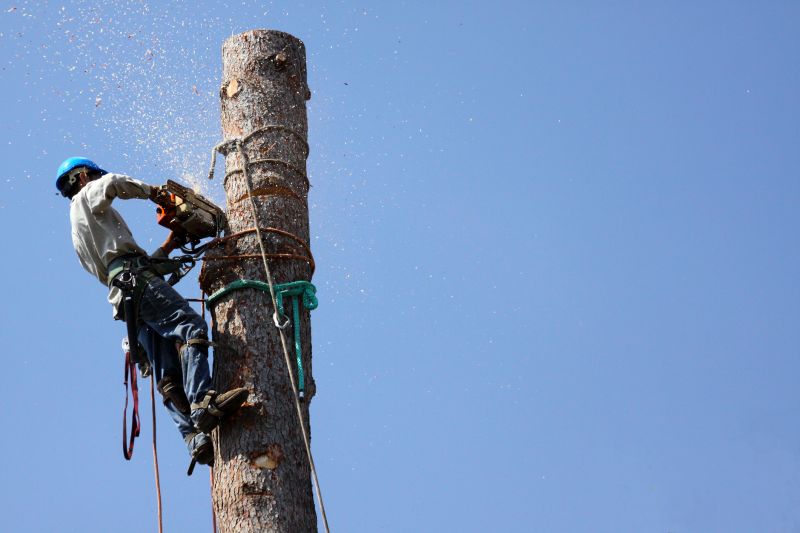
Optimal timing for tree removal in Lubbock considers local climate patterns and seasonal weather.
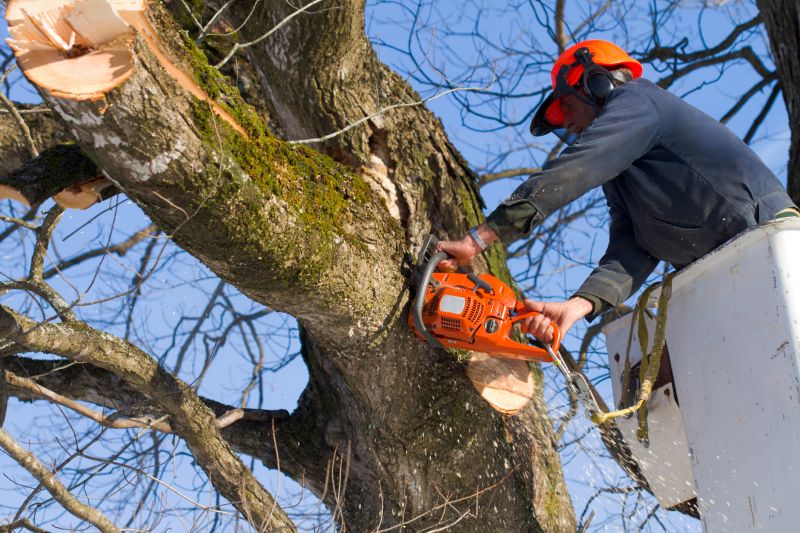
Effective tree management involves scheduling removals during appropriate seasons for safety and health.
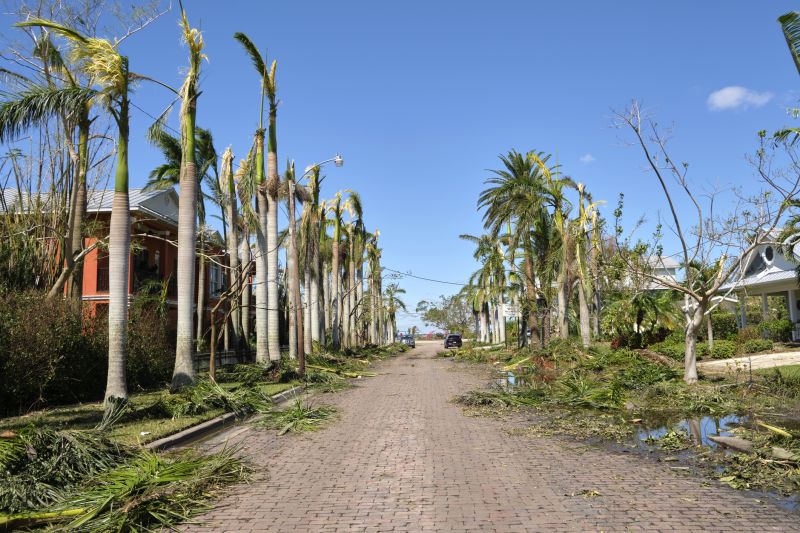
Tree removal after storms prevents property damage and enhances safety.

Timing affects replanting schedules to ensure healthy new growth.
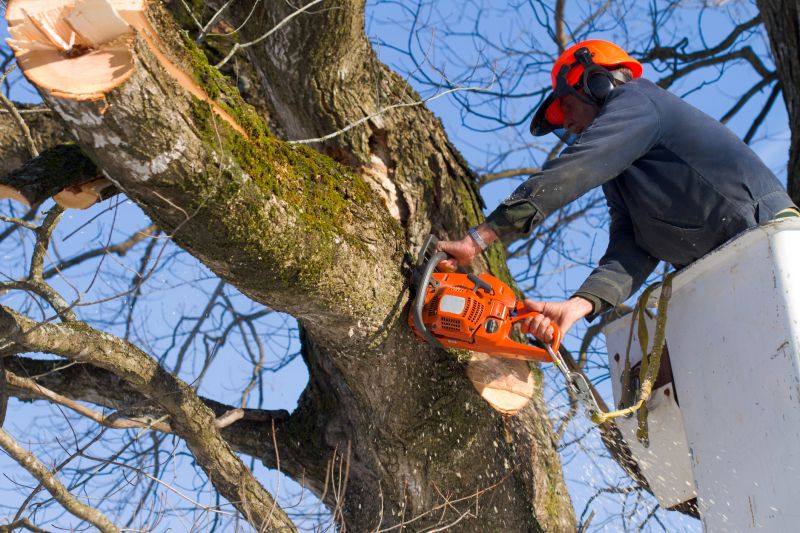
A frequent mistake in Tree Removals and how to dodge it.
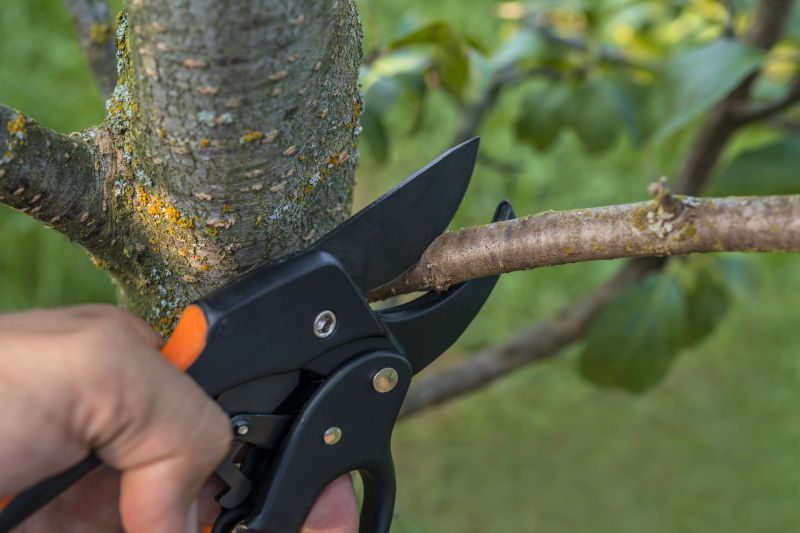
Small tweaks to make Tree Removals safer and easier to use.
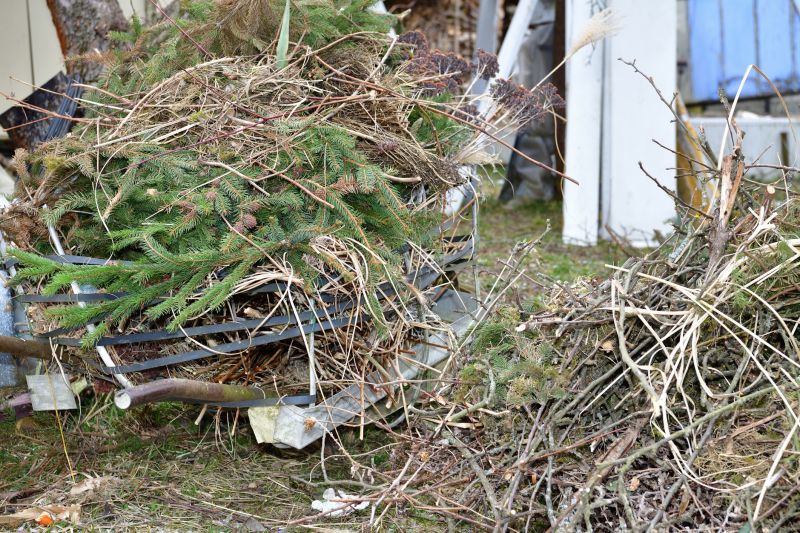
Lower-waste or water-saving choices for Tree Removals.
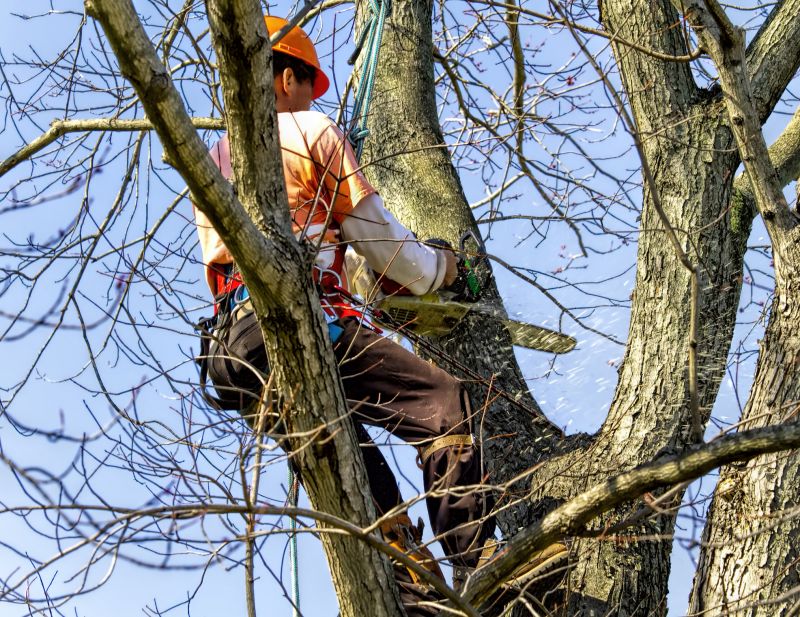
The short, realistic tool list for quality Tree Removals.
Prospective clients interested in tree removal services are encouraged to contact for more information or to schedule an assessment. Proper timing and planning can facilitate safer, more efficient, and landscape-friendly removals tailored to specific needs and local conditions.